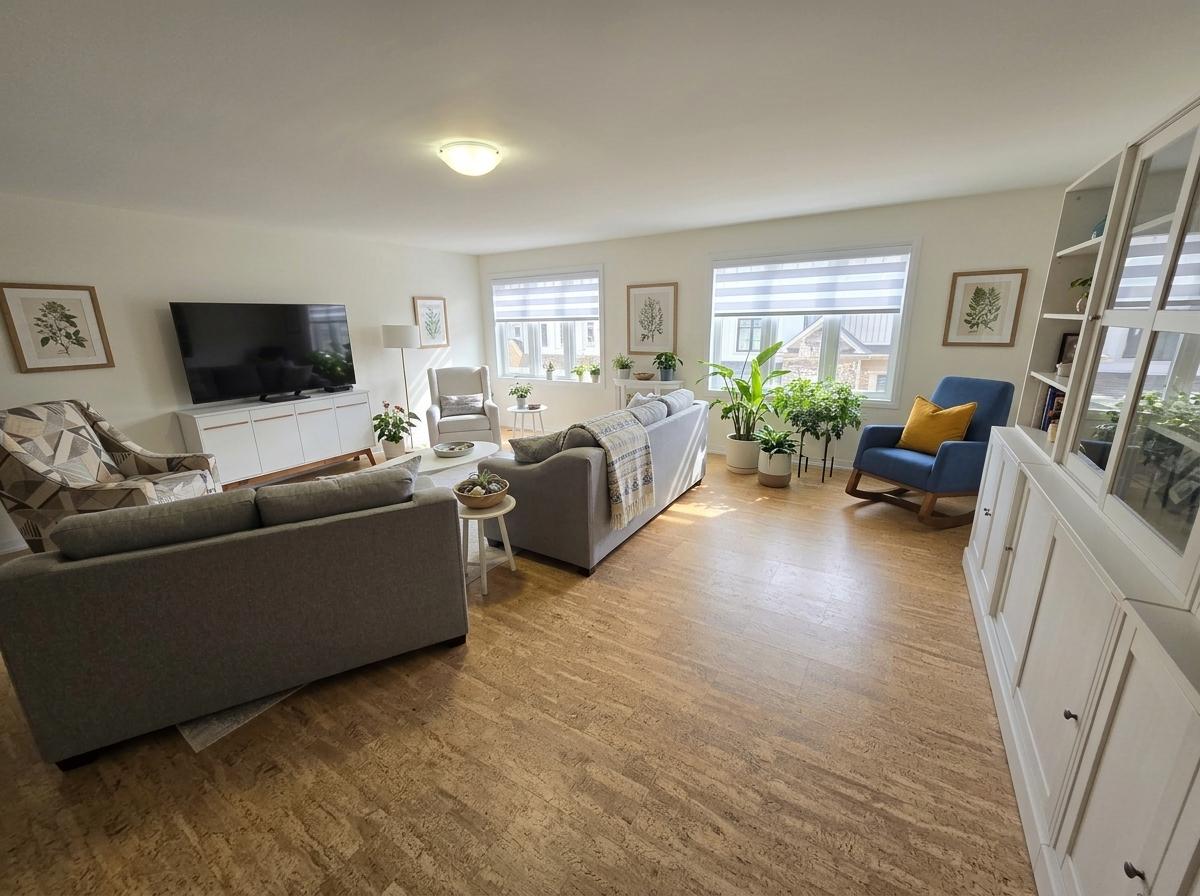
Cork flooring is changing how homes in Guelph, Kitchener, Waterloo, and Cambridge feel underfoot. If you’re tired of cold, noisy floors that don’t last, cork offers a warm, quiet solution that fits your family’s lifestyle. From cozy basements to busy home offices, this eco friendly flooring blends comfort with style and durability. Let’s explore why cork might be the perfect fit for your next renovation with Da Maren Renovations guiding the way.
For homeowners considering a basement revamp, our step-by-step guide on finishing a basement can provide valuable insights. Additionally, if you’re weighing the pros and cons of different flooring options, our overview on LVP flooring may also be of interest. And for those pondering a more industrial look, the benefits of epoxy flooring can be a compelling alternative.
Benefits of Cork Flooring
Cork flooring is not just another trend; it’s a smart choice for modern homes. Let’s look at the benefits it brings to your living spaces.
Eco-Friendly and Sustainable
Cork is a top pick if you’re passionate about the planet. It comes from the bark of cork oak trees, which regenerates, making it a renewable resource. This process does not harm the tree, allowing it to continue growing and absorbing carbon dioxide. Choosing cork supports sustainable forestry practices, which contributes to a healthier environment.
Furthermore, cork flooring is naturally biodegradable. This means once it reaches the end of its life cycle, it won’t linger in landfills for centuries. As more homeowners seek sustainable options, cork’s minimal environmental footprint makes it an excellent choice for responsible living.
Comfort and Performance Features
Cork flooring offers unique comfort benefits. Walk barefoot and feel the warmth that is gentle on your feet and back. It’s a natural insulator, keeping your home warmer in winter and cooler in summer. Cork’s cellular structure absorbs sound, making it ideal for reducing noise in bustling households.
Another appealing feature is its resilience. Cork compresses under pressure but returns to its original shape. This quality provides a cushiony feel that’s easy on joints and reduces noise from footsteps, perfect for families and home offices.
Ideal Rooms for Cork Flooring
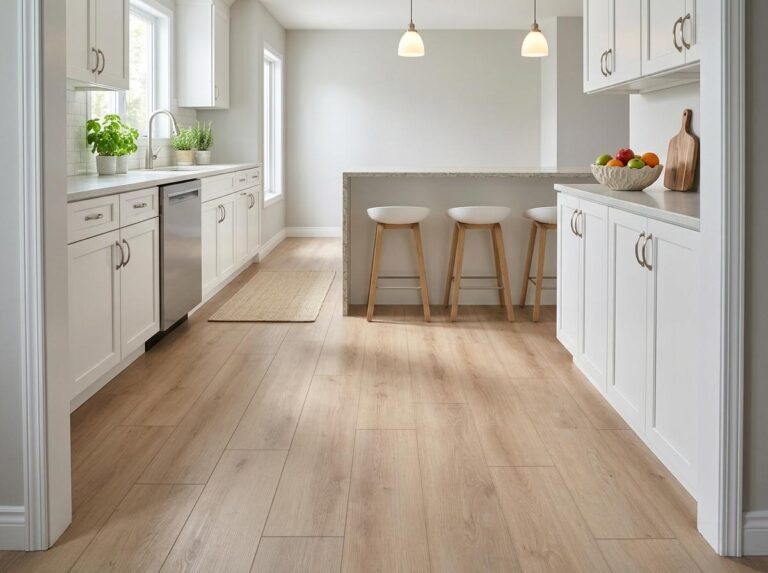
Wondering which rooms benefit most from cork? Think beyond the living room. Cork is perfect for basements, providing warmth against cold concrete. It’s also excellent for kitchens, where softness underfoot can ease hours of standing while cooking.
Home offices benefit from cork’s sound-dampening properties, creating a quieter work environment. Bedrooms, too, become cozy retreats with cork’s warmth and softness. Regardless of the room, cork adapts beautifully, blending comfort with style.
Installation Techniques and Tips
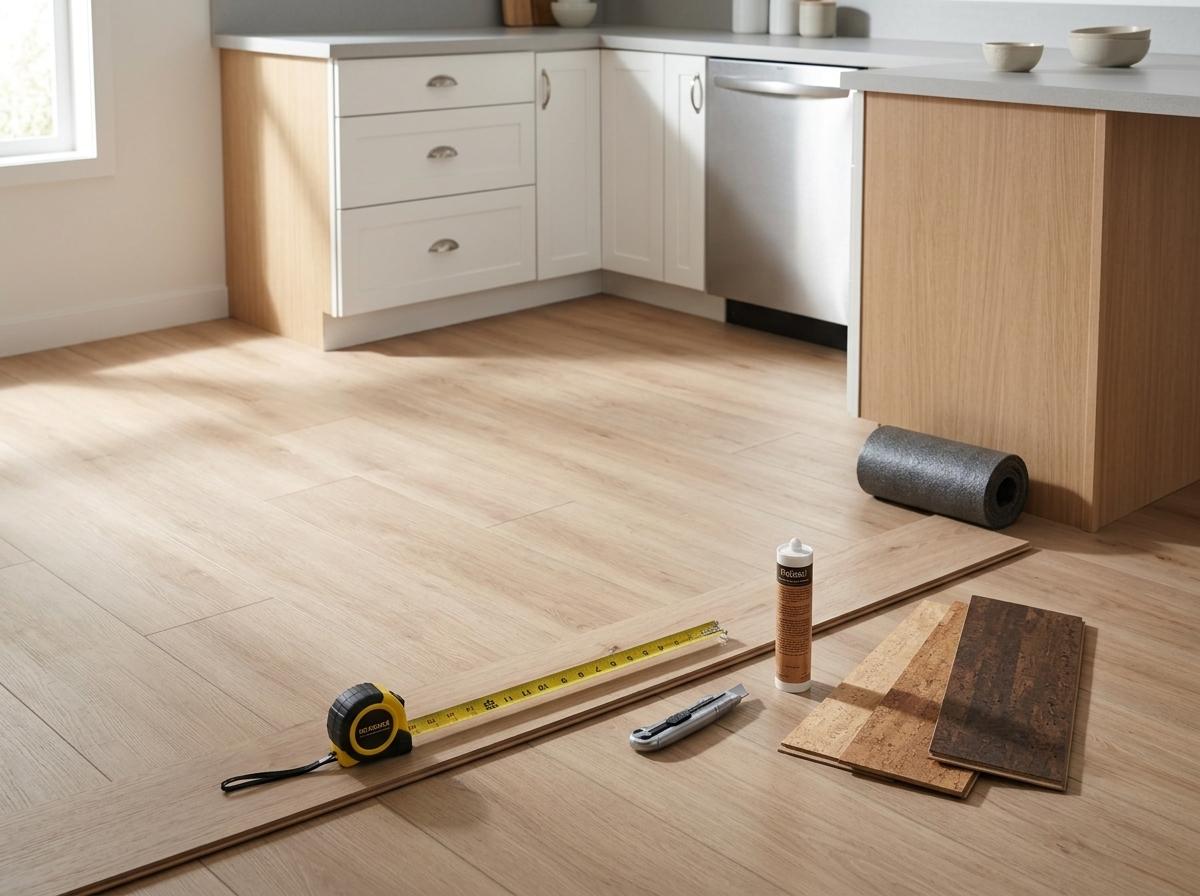
After understanding cork’s benefits, knowing how to install it is crucial. Here’s a simple guide to help you start.
Floating Planks vs. Glue-Down Tiles
Selecting the right installation method depends on your needs. Floating planks are user-friendly and can be installed over most existing floors. They click together without the need for glue, making them a popular DIY option.
Glue-down tiles require adhesive, offering a more permanent solution. They work well in high-moisture areas like kitchens or bathrooms. Both methods provide the same comfort and style, so choose what fits your skill level and space requirements.
Preparing Subfloors and Acclimation
Proper preparation of subfloors ensures a smooth installation. Clean surfaces are essential. Remove debris and level any uneven areas. Allow your cork flooring to acclimate by leaving it in the room where it will be installed for at least 48 hours. This step is vital, as it allows the cork to adjust to the room’s temperature and humidity, preventing future warping or gapping.
Ensuring Moisture Control
Cork naturally resists moisture, but extra care is needed in damp areas. Use a moisture barrier underlayment if installing in basements or bathrooms. This layer prevents moisture from seeping into the cork, preserving its integrity and longevity. For added protection, consider sealing the cork flooring to enhance its moisture resistance.
Maintenance and Longevity
Maintaining cork flooring is straightforward, ensuring it remains beautiful for years. Let’s explore how to care for it effectively.
Caring for Cork Flooring
Keeping cork clean is simple. Regular sweeping or vacuuming keeps dirt and debris from scratching the surface. Use a damp mop with a mild cleaner for deeper cleaning, avoiding harsh chemicals that might damage the finish. With these easy steps, your cork floor will stay fresh and inviting.
Durability and Scratch Resistance
Cork floors are known for their durability. They can handle the wear and tear of busy households. While they are resistant to scratches, using furniture pads and area rugs can provide extra protection. Cork’s resilience means it won’t easily dent or scuff, making it a reliable choice for long-term use.
Comparing Costs: Cork vs. Other Flooring
When comparing costs, cork is competitive. It’s often less expensive than hardwood but offers similar warmth and comfort. Cork is a mid-range option, typically costing more than vinyl but less than hardwood. Considering its benefits and longevity, cork offers excellent value for your investment in flooring.
Frequently Asked Questions
Is cork flooring waterproof?
Cork flooring is water-resistant but not waterproof. It can handle spills if cleaned up promptly, making it suitable for kitchens and bathrooms with proper sealing.
How long does cork flooring last?
With proper care, cork flooring can last 20-30 years. Regular maintenance and sealing can extend its lifespan even further, ensuring it stays beautiful and functional.
Can cork flooring be refinished?
Yes, cork flooring can be refinished like hardwood. This involves sanding down the surface and applying a new finish, revitalizing its appearance and extending its life.
Is cork flooring safe for people with allergies?
Cork is hypoallergenic and resists mold and mildew, making it a good choice for those with allergies. Its smooth surface doesn’t trap dust or pet dander, contributing to a healthier indoor environment.
What makes cork flooring eco-friendly?
Cork is harvested from the bark of cork oak trees, which regenerates, making it a renewable and sustainable resource. Its production has a minimal environmental impact, and it is biodegradable at the end of its life cycle.